What Is a Mortise Lock and Why Does It Matter for Your Home?
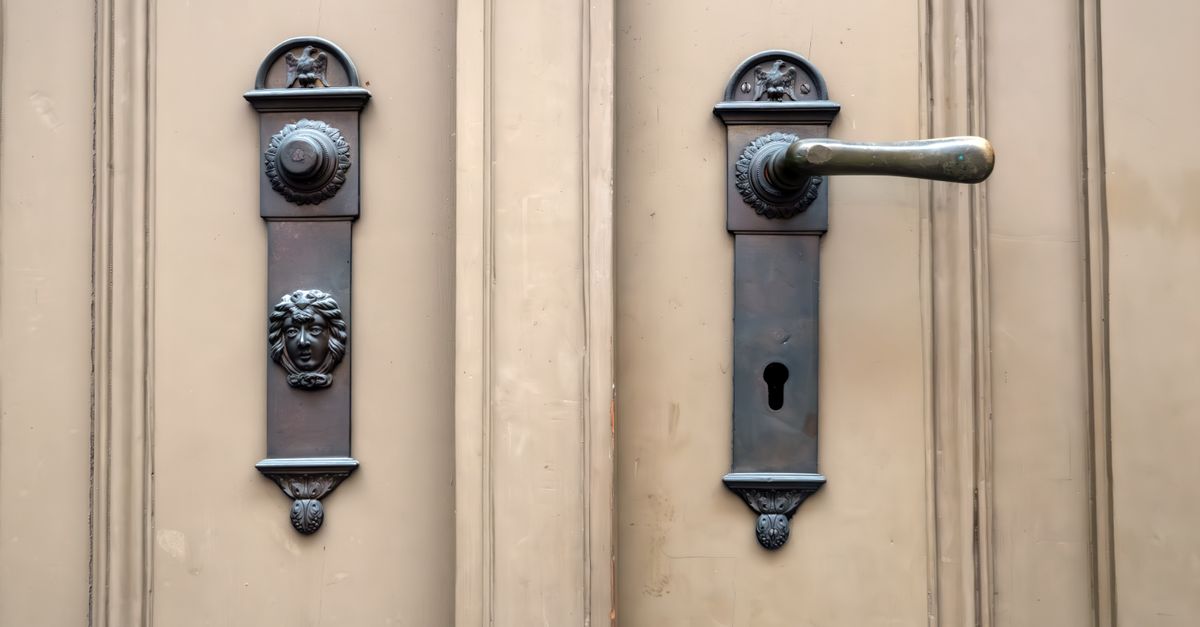
A mortise lock is a lock body that fits into a deep rectangular pocket — or mortise — cut directly into the edge of a door. Unlike a cylindrical bored lock, which relies on a single hole through the door face, a mortise lock set contains multiple mechanical components inside that pocket: a latch bolt, a deadbolt, a cam mechanism, and often a door knob lock or lever trim on each face. Because the hardware is recessed into the door rather than surface-mounted, the door edge itself provides structural reinforcement around the mechanism, making the overall assembly significantly stronger. For exterior doors, this matters enormously — a mortise lock set designed for an exterior door is engineered to resist lateral force in a way that a simple spring-latch bore cannot match.
From a repair standpoint, mortise locks are also more complex. Each internal component — the deadbolt cam, the latch spindle, the anti-friction tongue — can wear independently over years of use. A cylinder that turns but doesn't throw the bolt, or a door knob lock that spins freely without retracting the latch, are both symptoms of internal mortise failure rather than a cylinder problem. That distinction matters because misdiagnosing the fault leads to replacing parts that don't need replacing. Our experienced technicians are trained to test and isolate the actual failure point before quoting any work.